

A dental emergency does not wait for a convenient time. Most people have no idea where to turn when one happens. Airway Dentistry DHS is the place to call when something goes wrong with your teeth or jaw. Dr. Juana R. Cavinder, DDS, MPH, has more than 30 years of clinical experience helping patients through exactly these moments.
Not every dental problem is a true emergency, but some situations get much worse with time. The hard part is knowing which is which when you are in pain and not thinking clearly. Dr. Cavinder and the Airway Dentistry DHS team are here to take that guesswork off your plate.
What Counts as a Dental Emergency
A dental emergency is any situation where waiting puts your health or your tooth at real risk. Severe pain that does not respond to ibuprofen is a clear sign something significant is going on. Visible swelling in the face, jaw, or gums can mean an infection that moves fast. The longer you sit on these symptoms, the more complicated and costly treatment tends to become.
Broken or knocked-out teeth are also in the emergency category, especially when damage reaches the inner nerve. A tooth that gets knocked out has the best chance of being saved within the first hour. Cracks below the gumline can get worse just from normal chewing. Waiting for the next open appointment is not a safe option in either of those situations.
Infections are the most serious kind of dental emergency. They are also the ones patients most often try to wait out. An untreated abscess can move from the tooth root into the jaw, neck, or deeper tissue within days. Fever, trouble swallowing, or facial swelling alongside tooth pain means the infection has spread. That combination needs same-day attention, not a weekend of hoping it calms down.
Common Dental Emergencies We Treat
Dental emergencies come in more forms than most people expect. Some show up suddenly after an accident while others build gradually until they are impossible to ignore. Knowing what counts as an emergency helps you stop second-guessing yourself when it matters most. These are the situations Dr. Cavinder and her team treat as dental emergencies at Airway Dentistry DHS:
- Severe toothache that does not improve with over-the-counter pain relief
- Broken, cracked, or chipped teeth that cause pain or sharp edges
- Knocked-out or partially dislodged teeth requiring immediate repositioning
- Dental abscess with swelling, fever, or visible pus around the gum
- Lost crown or filling that exposes a sensitive or damaged tooth
- Soft tissue injuries to the gums, lips, or tongue that involve significant bleeding
If you are still not sure, call the practice and describe what is going on. Dr. Cavinder’s team can walk through your symptoms and advise whether you need to come in right away. Getting that answer early keeps a manageable problem from turning into a serious one.
Emergency vs. Can It Wait: A Direct Comparison
Patients often ask whether they need to come in today or whether they can wait a few days. The honest answer depends on your symptoms, how severe the damage is, and how fast things are progressing. This comparison gives you a straightforward way to think through that question.
| Situation | Call Now | Can Wait |
| Severe or worsening tooth pain | Yes | No |
| Knocked-out tooth | Yes | No |
| Facial swelling or fever | Yes | No |
| Broken tooth with pain or nerve exposure | Yes | No |
| Mild sensitivity or minor chip | No | Yes |
| Lost crown with no pain | No | Yes |
| Loose filling with no discomfort | No | Yes |
A quick call to Airway Dentistry DHS will clarify whether your situation needs same-day attention. The team helps you decide whether to come in right away or wait for a scheduled visit. Waiting without that guidance consistently makes dental problems harder and more expensive to treat.
What to Do Before You Call
A few simple steps before you arrive can make a real difference in how things turn out. For a knocked-out tooth, always pick it up by the crown rather than the root. Touching the root damages the cells needed for reattachment. Rinse it gently, place it back in the socket, or store it in milk to keep it moist.
For pain and swelling, apply a cold compress to the cheek in 10-minute intervals while you head over. Ibuprofen can take the edge off but does not replace getting seen by a professional. One thing to avoid is placing aspirin directly on the gum or tooth. This causes chemical burns to surrounding tissue and makes the area harder to treat when you arrive.
Who Should Call Airway Dentistry DHS
Emergency care at Airway Dentistry DHS is built for patients who need prompt help without judgment. The practice serves patients from Desert Hot Springs, Palm Springs, and Cathedral City. These are the patients who benefit most from picking up the phone:
- Adults experiencing tooth pain that is disrupting sleep, eating, or daily function
- Patients with visible facial swelling, jaw pain, or signs of spreading infection
- Anyone who has suffered trauma to the mouth from a fall, accident, or impact
- Patients with a lost crown, broken restoration, or exposed tooth causing sensitivity
- People who have been avoiding the dentist and now need urgent care without judgment
Calling Airway Dentistry DHS is the right first move when you are unsure what to do. The team takes every call seriously regardless of how minor the situation may seem. Getting the right guidance early is always better than waiting and hoping the problem resolves on its own.
What to Expect at Your Appointment
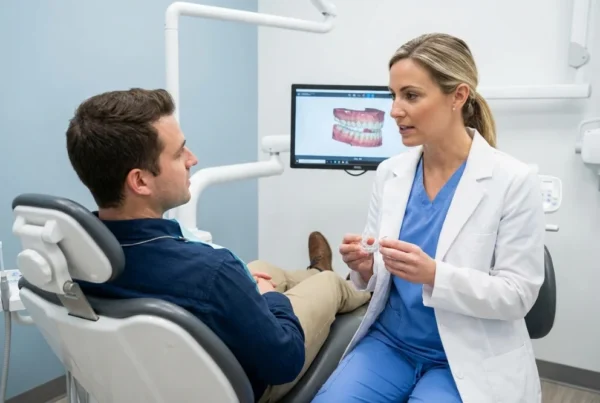
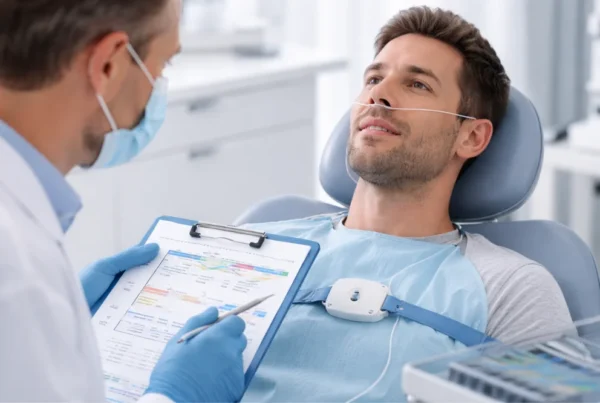
When you arrive for an emergency visit, the first priority is making you more comfortable. Dr. Cavinder does a focused evaluation with digital X-rays to assess the damage and any infection depth. She also checks whether surrounding teeth or bone have been affected. You will not be left wondering what is happening at any point during the visit.
Once the immediate situation is under control, Dr. Cavinder sits down and walks you through exactly what she found and what your options are. She explains what caused the problem, what needs to happen today, and what the follow-up plan looks like. Patients from Mission Lakes, Wardman Heights, and Dos Palmas come here because they trust this kind of care. You leave with less pain, a clear diagnosis, and a concrete plan.
You Do Not Have to Figure This Out Alone
Dental emergencies are stressful enough without the confusion of not knowing where to go or whether to call. Airway Dentistry DHS takes that uncertainty off your plate the moment you reach out. Dr. Cavinder and her team handle urgent situations with speed and precision. Their calm, steady approach helps patients feel in control even when the situation around them does not.
Dr. Juana R. Cavinder, DDS, MPH, is a member of the ADA, the California Dental Association, and the AADSM. She brings more than 30 years of clinical experience to every emergency evaluation. Schedule your visit today at Airway Dentistry DHS or call (760) 329-2227 if you need care right now.
Frequently Asked Questions
What should I do if I have a dental emergency after hours?
If you are experiencing severe pain, facial swelling, or signs of infection outside of office hours, call the practice and check the voicemail for after-hours guidance. For serious symptoms like difficulty swallowing, high fever, or significant swelling, visit your nearest emergency room immediately. Dental infections can spread quickly and should never be left untreated overnight if symptoms are worsening. Airway Dentistry DHS makes every effort to accommodate urgent situations as quickly as possible during office hours.
How long can I wait with a broken tooth?
If your broken tooth is causing pain, sharp sensitivity, or has exposed the inner nerve, call for an emergency appointment as soon as possible. A broken tooth without pain or sensitivity may wait a day or two, but it still needs prompt evaluation to prevent further damage. The longer a broken or cracked tooth goes untreated, the higher the risk of infection or complete tooth loss. Dr. Cavinder will assess the situation quickly and explain exactly what level of urgency applies to your case.
Does dental insurance cover emergency visits?
Most dental insurance plans include some coverage for emergency dental visits, though the amount depends on your specific plan and what treatment is needed. Diagnostic services like X-rays and exams are typically covered at a higher percentage than restorative procedures. At Airway Dentistry DHS, the team verifies your insurance and payment options before treatment begins so there are no surprises. Patients without insurance can discuss flexible payment arrangements with the front desk.
Can a dental infection go away on its own?
No. A dental infection will not resolve without treatment and will almost always get worse over time. Antibiotics may reduce symptoms temporarily but do not eliminate the source of the infection, which requires dental treatment to address. Left untreated, a dental abscess can spread to surrounding tissue, the jaw, or in serious cases the airway or bloodstream. If you suspect an infection, call Airway Dentistry DHS right away rather than waiting to see if symptoms improve on their own.