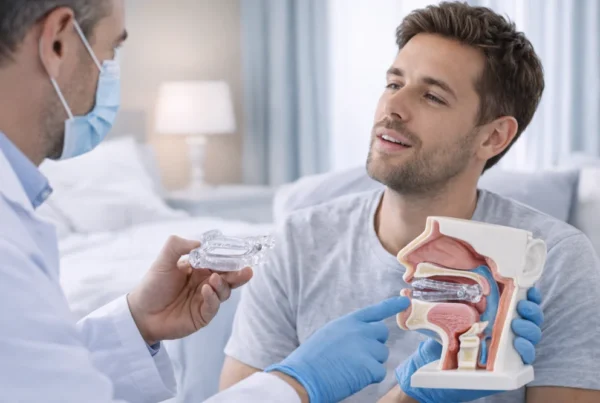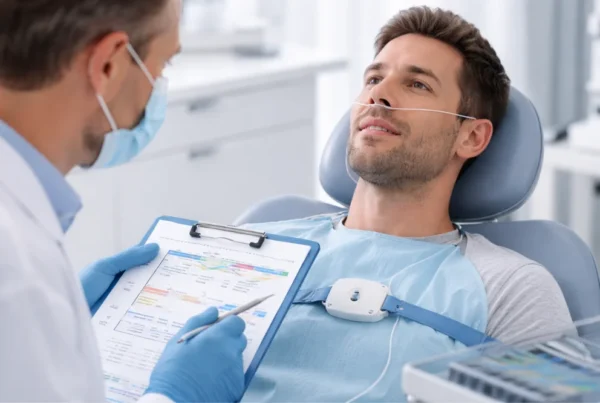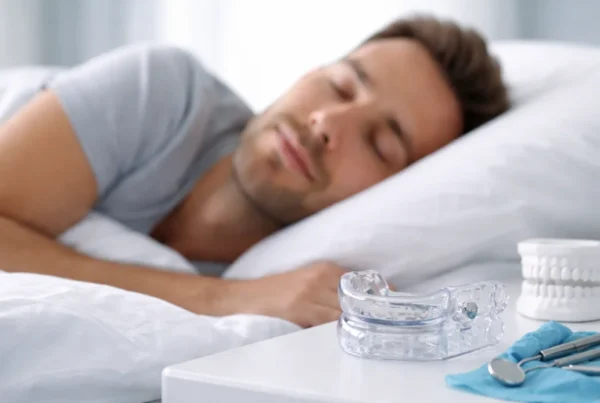


A dentist treats sleep apnea because the mouth and jaw directly affect how you breathe at night, and custom oral appliances can help keep the airway open during sleep. If you have been diagnosed with obstructive sleep apnea, or you suspect it because of snoring and fatigue, a dentist may become an important part of your care team. Dental sleep medicine focuses on the structures inside your mouth that influence airway collapse. When those structures are guided properly, breathing often becomes more stable and restful.
At Airway Dentistry DHS in Desert Hot Springs, patients from Palm Springs, Cathedral City, and Rancho Mirage often ask why a dental office is involved in a medical sleep condition. Dr. Juana Cavinder DDS, MPH combines more than 30 years of clinical dentistry with advanced airway training. That blend matters because sleep apnea sits at the intersection of medicine and oral anatomy. When care is coordinated correctly, patients feel supported instead of confused.
Why a Dentist Is Part of Sleep Apnea Treatment
Sleep apnea is diagnosed by a physician through a sleep study, but the physical cause often involves the jaw, tongue, and soft tissues inside the mouth. Dentists evaluate these structures every day. They look for narrow arches, worn teeth from grinding, scalloped tongues, and jaw positioning that may contribute to airway collapse. These patterns often appear long before a patient connects their fatigue to breathing issues.
Dentists do not replace sleep physicians. Instead, they work under medical guidance to provide oral appliance therapy once a diagnosis has been made. This team approach follows modern clinical guidelines and protects patient safety. When each provider stays in their lane, outcomes improve and long term health is prioritized.
How Oral Appliance Therapy Works
Instead of pushing air into your airway like CPAP, an oral appliance changes the shape of your airway from the inside. The device is custom made and gently advances the lower jaw forward while you sleep. That small shift helps prevent the tongue and soft tissues from collapsing backward. When the airway remains open, apnea events and snoring often decrease.
Oral appliances are adjustable, which means the jaw position can be gradually titrated for comfort and effectiveness. Follow up visits allow the dentist to refine the position and monitor bite stability. Objective follow up sleep testing confirms whether breathing has actually improved. The goal is not just quieter nights, but measurable change in apnea severity.
To understand how oral appliances compare with CPAP, consider the following overview.
| Feature | Oral Appliance Therapy | CPAP Therapy |
| How it works | Repositions the lower jaw to support the airway | Delivers pressurized air through a mask |
| Best suited for | Mild to moderate OSA or CPAP intolerance | Moderate to severe OSA |
| Portability | Small and travel friendly | Requires machine and tubing |
| Monitoring | Dental follow ups plus physician oversight | Physician oversight and device data |
Both therapies have value. The right choice depends on medical diagnosis, anatomy, and patient preference. A coordinated plan ensures that treatment decisions are thoughtful, not reactive.
The Dentist and Physician Team Model
Sleep apnea care works best when it is collaborative. The sleep physician diagnoses obstructive sleep apnea and evaluates cardiovascular and systemic risks. They determine whether oral appliance therapy is appropriate and issue the prescription. The dentist then designs, fits, and adjusts the appliance according to that prescription.
At Airway Dentistry DHS, communication with sleep physicians is part of the process. Sleep study results are reviewed before treatment begins. After titration, repeat testing may be recommended to verify progress. This structured loop keeps the patient at the center and reduces guesswork.

Who Is a Good Candidate for Dental Sleep Medicine
Dental sleep medicine is not for everyone, but it serves many adults well. Patients with mild to moderate obstructive sleep apnea often respond favorably. Those who cannot tolerate CPAP masks may also benefit when medical supervision continues. Anatomy and dental health influence candidacy, so evaluation remains essential.
A careful screening process protects both airway health and bite stability. Dentists assess jaw range of motion, TMJ comfort, tooth stability, and long term wear potential. When concerns exist, they are discussed openly. The decision is collaborative rather than rushed.
The following profiles often align well with oral appliance therapy:
- Adults diagnosed with mild to moderate obstructive sleep apnea
- Individuals who struggle with CPAP comfort or compliance
- Frequent travelers who value portability
- Patients whose jaw position contributes to airway narrowing
These categories are general guidelines, not guarantees. A full exam and physician collaboration determine final suitability. Thoughtful selection leads to better outcomes and fewer complications.
Benefits and Risks You Should Understand
Oral appliance therapy offers several advantages. Many patients prefer a quiet, mask free solution that fits easily into daily life. Travel becomes simpler and nightly setup is minimal. Ongoing dental oversight also allows early management of bite or jaw changes.
There are trade offs. Some patients experience temporary jaw soreness or tooth sensitivity during the adjustment phase. Small bite shifts can occur over time if follow up care is neglected. Regular visits allow early correction and help maintain long term stability.
Patients sometimes assume that feeling better means apnea is resolved. Subjective improvement is encouraging, but objective testing confirms true progress. That combination of symptom relief and measurable data strengthens trust in the plan.
What to Expect at a Dental Sleep Apnea Visit
The first visit begins with conversation. Your sleep study, medical history, medications, and symptoms are reviewed carefully. The dentist evaluates your teeth, jaw function, and airway anatomy. Digital scans or impressions are taken if treatment moves forward.
When the appliance is delivered, comfort and fit are prioritized. You receive guidance on cleaning, wear schedule, and expected sensations. Adjustments occur gradually over several weeks. Follow up sleep testing may be coordinated with your physician to document change.
A typical timeline looks like this:
- Week 0: Consultation and diagnostic review
- Week 2 to 3: Appliance delivery
- Month 1 to 3: Gradual titration visits
- Month 3 to 6: Follow up sleep study confirmation
This sequence provides clarity and structure. You always know what comes next. Predictability reduces anxiety and builds confidence.
Improve Your Sleep With the Right Team
You deserve sleep that restores your energy and protects your health. When sleep apnea disrupts that, you are the hero of the story, not the condition. The problem is not your identity. It is a challenge that can be addressed with the right guidance.
Airway Dentistry DHS serves as the guide in that story for patients in Desert Hot Springs, Palm Springs, Cathedral City, and Rancho Mirage who are looking for answers. Dr. Juana Cavinder works alongside sleep physicians to provide coordinated, evidence based oral appliance therapy that fits your medical and dental needs.
The plan is simple and clear, get the right diagnosis, choose the right therapy, and monitor progress with integrity. If you are ready to explore whether a dentist can be part of your sleep apnea care, schedule a consultation and take the next step toward better rest.
Frequently Asked Questions
Can a dentist diagnose sleep apnea?
A dentist cannot diagnose obstructive sleep apnea because diagnosis requires a formal sleep study interpreted by a medical sleep physician. That distinction protects your safety and ensures that heart, lung, and other medical risks are properly evaluated before treatment begins. What dentists do very well is screen for airway risk factors, identify red flags during routine exams, and then work closely with your sleep physician once a diagnosis is confirmed. When that partnership is clear, you receive both medical oversight and dental expertise without confusion about responsibility.
Is an oral appliance as effective as CPAP?
CPAP is still considered the gold standard for severe obstructive sleep apnea because it delivers continuous air pressure that prevents airway collapse. That said, custom oral appliances are highly effective for many people with mild to moderate sleep apnea and for those who struggle to tolerate CPAP masks. Comfort and consistency matter, and some patients use their oral appliance more reliably than CPAP, which improves real world results. The right answer depends on your severity level, your anatomy, and what you can realistically use every night.
AASM and AADSM issue new joint clinical practice guideline for oral appliance therapy
Will an oral appliance change my bite?
Minor bite changes can occur over time with oral appliance therapy, which is why ongoing dental monitoring is so important. During follow up visits, your dentist checks tooth position, jaw joint comfort, and overall bite alignment to catch small shifts early. Most side effects are manageable when addressed promptly, especially with gradual titration and protective exercises. Long term success depends on regular checkups rather than wearing the device without supervision.
Side effects of oral appliances for snoring or sleep apnea
How do I know if I am a candidate for dental sleep apnea treatment?
Candidacy depends on several factors, including the severity of your obstructive sleep apnea, your jaw anatomy, your dental health, and your overall medical profile. Many adults with mild to moderate OSA or those who cannot tolerate CPAP are strong candidates, but that decision is never made in isolation. Your sleep physician evaluates medical risk, and your dentist evaluates oral structure and joint health before recommending a plan. When both providers agree, you can move forward with confidence that the therapy fits your specific situation.
The Role of Dentists in the Diagnosis and Treatment of Obstructive Sleep Apnea