

Tooth pain is easy to brush off at first but hard to ignore once it gets serious. Most people in Desert Hot Springs hope it goes away before they finally pick up the phone. Airway Dentistry DHS is here for exactly that moment. Dr. Cavinder, DDS, MPH, has more than 30 years of clinical experience treating dental pain.
Not all tooth pain is the same, and not all of it needs emergency care right away. But some of it absolutely does, and the hard part is telling the difference when you are hurting. Dr. Cavinder and the Airway Dentistry DHS team help patients work through that question every single day.
Why Tooth Pain Happens
Tooth pain happens when something disturbs the nerve inside or around the tooth. That nerve is highly sensitive and reacts to pressure, temperature, infection, and physical damage in different ways. The type of pain, how long it lasts, and what triggers it all point toward different causes.
Pain that comes and goes with hot or cold food usually signals early sensitivity or a small cavity. This kind of pain is worth addressing, but it typically means you have time for a regular appointment. Catching it at that stage almost always leads to a simpler and less expensive fix.
Pain that is constant, throbbing, or gets worse when you bite down is telling a different story. That pattern often points to a cracked tooth, an infected nerve, or an abscess forming at the root. These situations do not improve on their own, no matter how long you wait. Sitting on this kind of pain almost always makes the treatment more involved and the recovery longer.
Common Causes of Tooth Pain
Tooth pain comes from many different sources, and the cause determines both the urgency and the treatment. Understanding what is commonly behind dental pain helps you describe your symptoms clearly when you call. That means faster answers and better care from the very start. These are the most common causes Dr. Cavinder sees at Airway Dentistry DHS:
- Tooth decay that has reached the inner layer of the tooth or the nerve
- A cracked or fractured tooth that may not always be visible on the surface
- Gum disease that has caused the gums to pull back and expose sensitive root surfaces
- A dental abscess or infection at the base of the tooth root
- A damaged or failing filling, crown, or restoration that is no longer protecting the tooth
- Teeth grinding during sleep that wears down enamel and puts pressure on the jaw
Most of these causes share one thing in common: they do not get better on their own. Some stay stable for a while before escalating suddenly, while others get worse right from the start. Calling sooner gives Dr. Cavinder a better chance of resolving the problem with a simpler, less invasive approach.
Tooth Pain vs. Dental Emergency: Understanding the Difference
One of the most useful things you can do is figure out whether your situation is urgent. Knowing that early saves time, reduces stress, and prevents a manageable problem from becoming complicated. The type of pain, how long it has lasted, and what triggers it all play a role. This comparison helps you make that call with more confidence before you pick up the phone.
| Symptom | Urgent | Can Wait |
| Constant throbbing pain | Yes | No |
| Pain that wakes you from sleep | Yes | No |
| Swelling in the face or jaw | Yes | No |
| Pain with fever or trouble swallowing | Yes | No |
| Sensitivity to hot or cold that fades | No | Yes |
| Mild ache that comes and goes | No | Yes |
| Discomfort around an old filling | No | Yes |
If your situation falls in the urgent column, call Airway Dentistry DHS right away. Pain at that level rarely resolves without treatment and usually gets worse with every passing day. The sooner the problem is identified, the more treatment options are available to you.
When to Call vs. When to Wait
Tooth pain that keeps you up at night or makes eating difficult needs attention now. That level of discomfort means the nerve or surrounding tissue is significantly affected. The longer it goes without care, the bigger the procedure you are likely facing. A call to Airway Dentistry DHS at that point is not an overreaction. It is exactly the right move.
Mild sensitivity that fades quickly with hot or cold food can wait for a routine appointment. The key is paying close attention to whether the pain is changing over time. If mild sensitivity is now sharper, more frequent, or lingers longer, that shift is worth a call. Dr. Cavinder would rather hear from you early than after a manageable problem has become complicated.

Who Should Call Airway Dentistry DHS
The practice serves patients from Desert Hot Springs, Palm Springs, and Cathedral City. Airway Dentistry DHS is built around calm, judgment-free care that starts with listening to what you are experiencing. These are the patients who benefit most from picking up the phone:
- Anyone with tooth pain that has lasted more than two days without improving
- Patients whose pain is sharp, throbbing, or getting noticeably worse over time
- Adults with visible swelling, sensitivity to pressure, or pain that radiates to the ear or jaw
- People who have been putting off dental care and now have pain they cannot ignore
- Patients who are unsure whether their situation is urgent and want a professional opinion
If any of those descriptions sound like you, do not talk yourself out of calling. The team will give you a straight answer on whether to come in today or wait. That clarity is worth far more than another day of wondering whether things are getting worse.
What to Expect at Your Evaluation
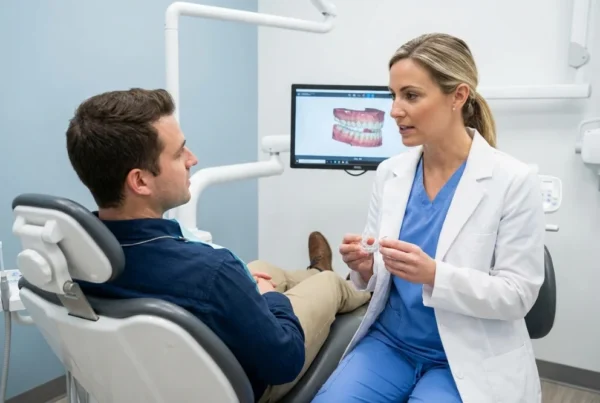
When you come in for a tooth pain evaluation, Dr. Cavinder starts by listening carefully to everything you can tell her. She asks about when the pain started, what it feels like, and what makes it better or worse. That conversation gives her a detailed clinical picture before she looks in your mouth. It helps her focus the exam on what is most likely going on.
She uses digital X-rays to check the nerve, root, and any signs of infection. She explains what she finds in plain language and walks you through your options without pressure. Patients from Mission Lakes, Wardman Heights, and Dos Palmas come here because they leave with real answers. You will know what is causing your pain, what needs to happen, and what comes next.
You Deserve to Know What Is Going On
Tooth pain has a way of making everything else harder. It affects how you sleep, how you eat, how you concentrate, and how you feel about your day. Many people put off calling because they are unsure it is serious enough. Others are nervous about what they might find out. Dr. Cavinder’s whole approach is built around making that call feel safe, worthwhile, and free of judgment.
Dr. Juana R. Cavinder, DDS, MPH, is a member of the ADA, the California Dental Association, and the AADSM. She brings more than 30 years of clinical experience to every evaluation. Schedule your visit today at Airway Dentistry DHS or call (760) 329-2227.
Frequently Asked Questions
How do I know if my tooth pain is serious?
Tooth pain that is constant, throbbing, or getting worse over time is a sign that something significant is happening inside the tooth or surrounding tissue. Pain that wakes you from sleep, spreads to your jaw or ear, or comes with swelling or fever should be treated as urgent. Sensitivity that comes and goes with temperature changes is usually less serious but still worth a dental visit. If you are unsure, calling Airway Dentistry DHS takes two minutes and gives you a clear answer before things get worse.
Can tooth pain go away on its own?
Mild sensitivity caused by a small cavity or worn enamel can sometimes feel better temporarily, but the underlying problem does not go away without treatment. Pain caused by infection, a cracked tooth, or a damaged nerve will not resolve on its own and will almost always get worse over time. Taking pain relievers may reduce your discomfort temporarily but does not address what is happening inside the tooth. Dr. Cavinder recommends an evaluation any time tooth pain lasts more than two days or returns repeatedly.
What causes sudden sharp tooth pain?
Sudden sharp tooth pain is often caused by a crack in the tooth that is not visible to the eye, a cavity that has reached the sensitive inner layer of the tooth, or a damaged filling that is no longer protecting the nerve. In some cases it can also be caused by gum recession that exposes the root surface. Any sharp or shooting pain that is triggered by biting, pressure, or temperature deserves a prompt evaluation. Dr. Cavinder uses digital X-rays and a focused exam to identify the source quickly and explain your options clearly.
Does dental insurance cover tooth pain evaluations?
Most dental insurance plans cover diagnostic visits including exams and X-rays, which are the core of a tooth pain evaluation at Airway Dentistry DHS. Coverage for any treatment recommended afterward depends on your specific plan and what procedure is needed. The team at Airway Dentistry DHS verifies your insurance and payment options before treatment begins so you know exactly what to expect. Patients without insurance can discuss flexible payment arrangements with the front desk before their appointment.