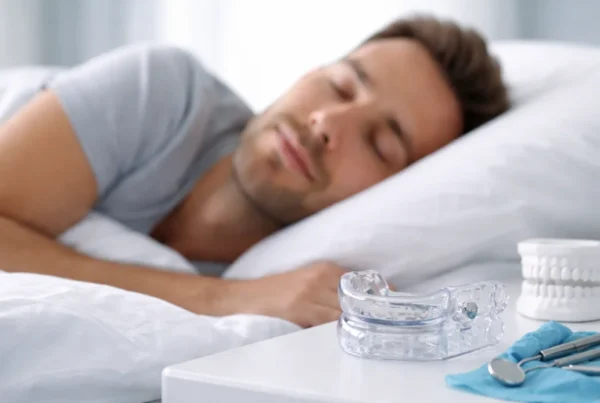
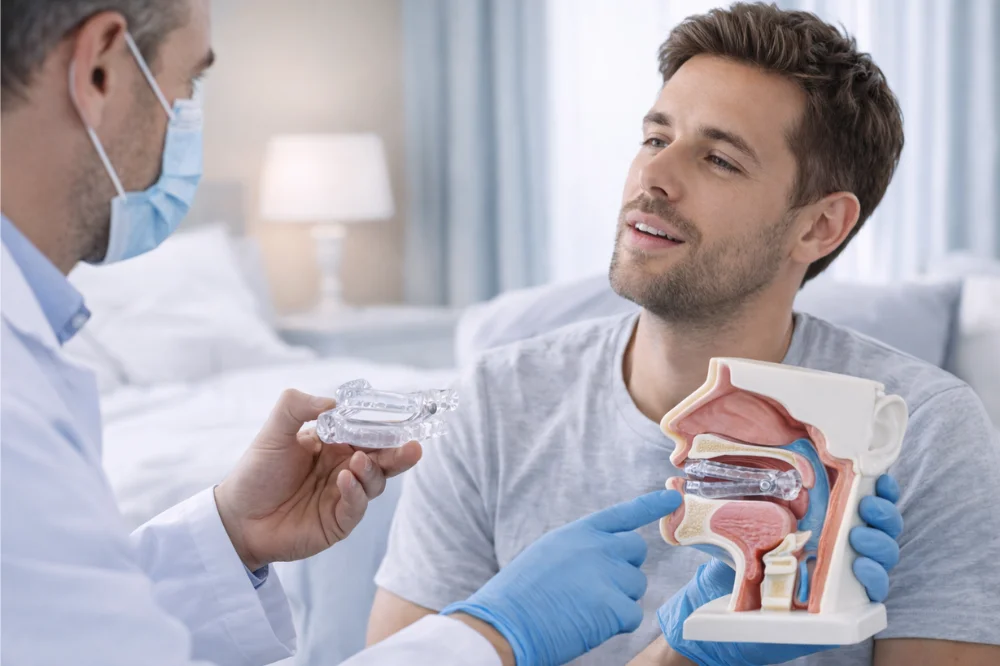

An oral appliance treats obstructive sleep apnea by gently moving your lower jaw forward while you sleep. Instead of using air pressure like CPAP, it works by changing the position of your jaw and tongue so your airway stays open. Think of it as giving your airway a little extra support from the inside. That small shift can make a big difference for the right person.
At Airway Dentistry DHS in Desert Hot Springs, patients from Palm Springs, Cathedral City, and Rancho Mirage often ask if this is just a quieter version of CPAP or if it truly works. Dr. Juana Cavinder DDS, MPH has over 30 years of clinical experience and advanced airway-focused training, and she works closely with sleep physicians before recommending any appliance. Treatment only begins after a confirmed medical diagnosis. That collaboration keeps care safe, structured, and evidence-based.
The Core Mechanism: How It Actually Works
When you fall asleep, the muscles in your throat relax. For some people, that relaxation allows the airway to collapse like a soft straw. An oral appliance gently moves the lower jaw forward, usually just a few millimeters. That movement pulls the tongue and soft tissues away from the back of the throat and gives the airway more room.
By increasing airway space and stability, the device helps reduce the number of breathing interruptions during the night. In many responsive patients, apnea events drop significantly. It does not blow air like CPAP, but the goal is the same, keeping the airway open so oxygen levels stay steady and sleep becomes more restorative.
Types of Oral Appliances
Not all mouthpieces are the same, and that detail matters more than most people realize. Custom design and adjustability are what make professional oral appliance therapy effective. Here are the main categories you might hear about:
- Mandibular advancement devices (MADs) move the lower jaw forward and are the most commonly prescribed type
- Tongue retaining devices (TRDs) hold the tongue forward and may be helpful for patients without enough teeth for a jaw-based appliance
- Hybrid designs combine jaw positioning with additional stabilization features
- Pediatric expansion appliances may be used in growing children to widen the upper arch
Generic devices you buy online rarely provide predictable results. The right choice depends on anatomy, diagnosis, and physician recommendation. It is not about brand names. It is about fit, function, and proper follow-up.
Does It Really Work? What the Data Shows
For people with mild to moderate obstructive sleep apnea, oral appliances often produce strong results. Studies show that many patients experience meaningful reductions in breathing pauses (apneas) sometimes by 65 to 80 percent when properly selected and monitored. Even some severe cases see partial improvement when managed carefully with medical oversight.
To put results in perspective:
| OSA Severity | Typical Response | Role of Oral Appliance |
| Mild | 70–80% significant reduction | Often first-line therapy |
| Moderate | 60–70% significant reduction | Common alternative to CPAP |
| Severe | 40–50% partial responders | Often combined with other therapy |
These numbers are averages, not promises. Jaw structure, weight, sleep position, and severity all influence outcomes. That is why follow-up sleep testing is important. Feeling better is encouraging, but measured improvement confirms control.
Who Tends to Respond Best?
Some patients are more likely to benefit than others. People with mild to moderate OSA often respond well. Those who cannot tolerate CPAP masks are also common candidates. Jaw anatomy plays a role too, especially if the lower jaw sits slightly back. Patients who often respond well include:
- Individuals with mild to moderate OSA confirmed by sleep study
- People who struggle with CPAP comfort or compliance
- Patients with positional apnea that worsens on their back
- Those with adequate teeth and jaw mobility for stable appliance anchoring
Severe central apnea, significant obesity without physician oversight, or unstable dental conditions may reduce effectiveness. That is why candidacy is evaluated before treatment starts, not after it fails.
Side Effects and How They’re Managed
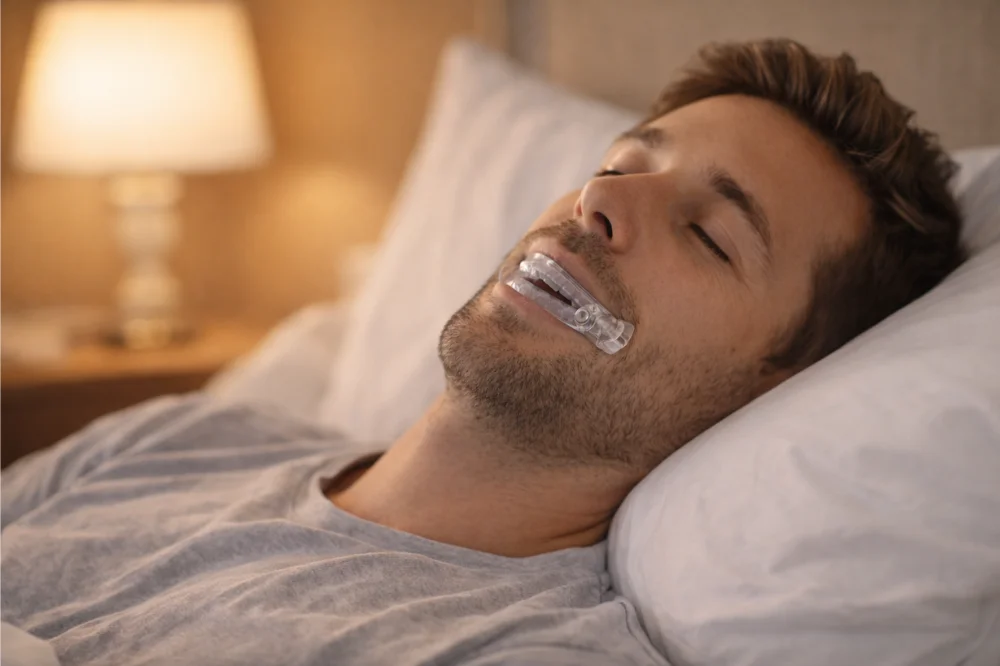
Like any therapy, oral appliances can have side effects, especially early on. Some patients notice jaw soreness, mild tooth sensitivity, or a temporary change in their bite in the morning. These usually improve as your jaw adapts. Common early experiences include:
- Mild jaw soreness during the first few weeks
- Temporary morning bite shift that improves after simple exercises
- Dry mouth or increased salivation
- Gradual comfort improvement as titration stabilizes
Most side effects are manageable with small adjustments. Morning repositioning exercises help restore your bite. Regular follow-up visits allow small changes to be corrected before they become significant. Communication is key, discomfort should be adjusted, not ignored.
The Fitting and Titration Process
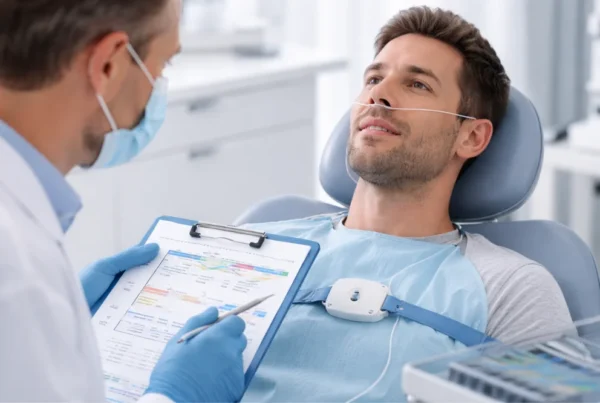
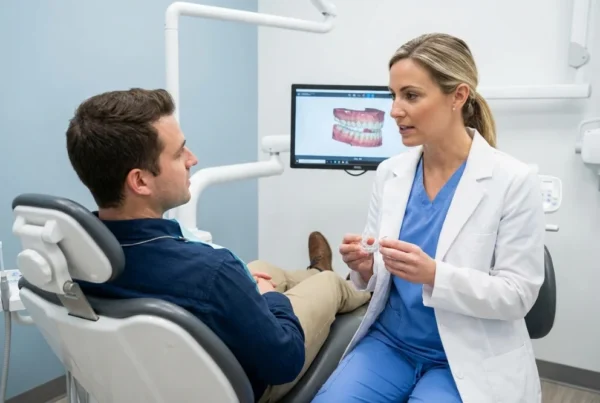
Once your sleep physician confirms the diagnosis and recommends oral appliance therapy, the dental process begins. Digital scans or impressions are taken to design a custom, adjustable device. Delivery usually happens within a few weeks, and the fit is carefully refined for comfort and stability.
Titration happens gradually. The jaw is advanced in small increments over several weeks to balance airway improvement with joint comfort. Follow-up visits monitor bite health and symptoms. Around three months, repeat sleep testing may confirm measurable improvement. Ongoing reviews keep the appliance effective long term.
Modern Advances Making Appliances Smarter
Technology has improved this field dramatically. Digital scanning allows precise design without messy impressions. Some appliances are now 3D printed for faster turnaround and better customization.
Certain newer devices even include usage tracking or sensor technology to monitor wear time. Telehealth check-ins can support follow-up discussions when appropriate. Technology adds convenience, but clinical oversight still drives safe and effective treatment.
You Deserve a Treatment That Fits Your Life
You deserve sleep that restores your energy and protects your long-term health. When sleep apnea disrupts that, you are the hero of the story, not the condition itself. The goal is not hype or shortcuts. It is about choosing the right therapy for your anatomy, diagnosis, and lifestyle.
Airway Dentistry DHS serves patients in Desert Hot Springs, Palm Springs, Cathedral City, and Rancho Mirage as part of a coordinated medical-dental team. Dr. Juana Cavinder DDS, MPH combines decades of clinical experience with structured collaboration and objective follow-up testing. Every appliance is custom and carefully monitored. If you have a confirmed sleep apnea diagnosis and want to explore whether this option fits your life, schedule a consultation and take the next step toward better rest.
Frequently Asked Questions
Is an oral appliance as effective as CPAP?
For mild to moderate obstructive sleep apnea, oral appliances often produce substantial AHI reductions and high patient satisfaction, especially when adherence is strong. CPAP remains the gold standard for severe cases because it delivers continuous airway pressure. However, real world adherence to oral appliances is frequently higher, which can improve practical outcomes. The best therapy depends on severity, anatomy, and long term consistency.
CPAP vs. Oral Appliance: Which Sleep Apnea Treatment Is Right for You?
How quickly will I see results?
Some patients notice snoring reduction within the first week, but full apnea control requires gradual titration and follow up testing. The jaw is advanced incrementally to balance comfort and airway improvement. Objective sleep testing at approximately three months confirms measurable results. Patience during titration improves long term success.
Oral Appliance Therapy for Sleep Apnea: An Overview
Will my bite permanently change?
Minor bite changes can occur over time, which is why structured monitoring is essential. Morning repositioning exercises and regular dental visits reduce the likelihood of significant shifts. Most early changes are temporary and manageable. Long term complications are uncommon when care is supervised properly.